Notícias – JogosGratisFun.
PCGamer latest.
Well, here it is, Nvidia’s all-in-one silicon, the RTX Spark. This is an SoC that’s being promoted as the everything chip; the processor that can be all things to all people. It’s a creator’s chip, it’s an AI-lover’s chip, and it’s a gamer’s chip.
But all three of those kinds of people do need to have one thing in common: they need to be rather well off, because this is also an expensive chip. I spoke about it when the pricing first came to light last week, while I was at the launch event for this Windows-based tech. Even the cheapest of the RTX Spark machines coming our way will cost $2,700, and that will only get you the weaker cores, a paltry 24 GB of unified memory, and a 512 GB SSD.
That is certainly a limitation, but also completely expected in a time where all things PC cost a ludicrous amount of money, especially devices which are locked into requiring a colossal amount of memory to do their main task. Which, let’s be honest here, is AI.
Latest Videos FromPC Gamer
The unified memory architecture (UMA) of the RTX Spark is perfectly suited to providing a ton of memory for system resources, but also to be able to switch that over to supporting the GPU when it comes to smashing through local AI workloads which fill up the GPU’s memory pool. It’s the perfect time for Nvidia to release something like this, because local AI is set for a bit of an explosion in popularity (especially when the cloud services start charging real money for their services), but it’s also the worst time because this sort of memory-heavy hardware is expensive.
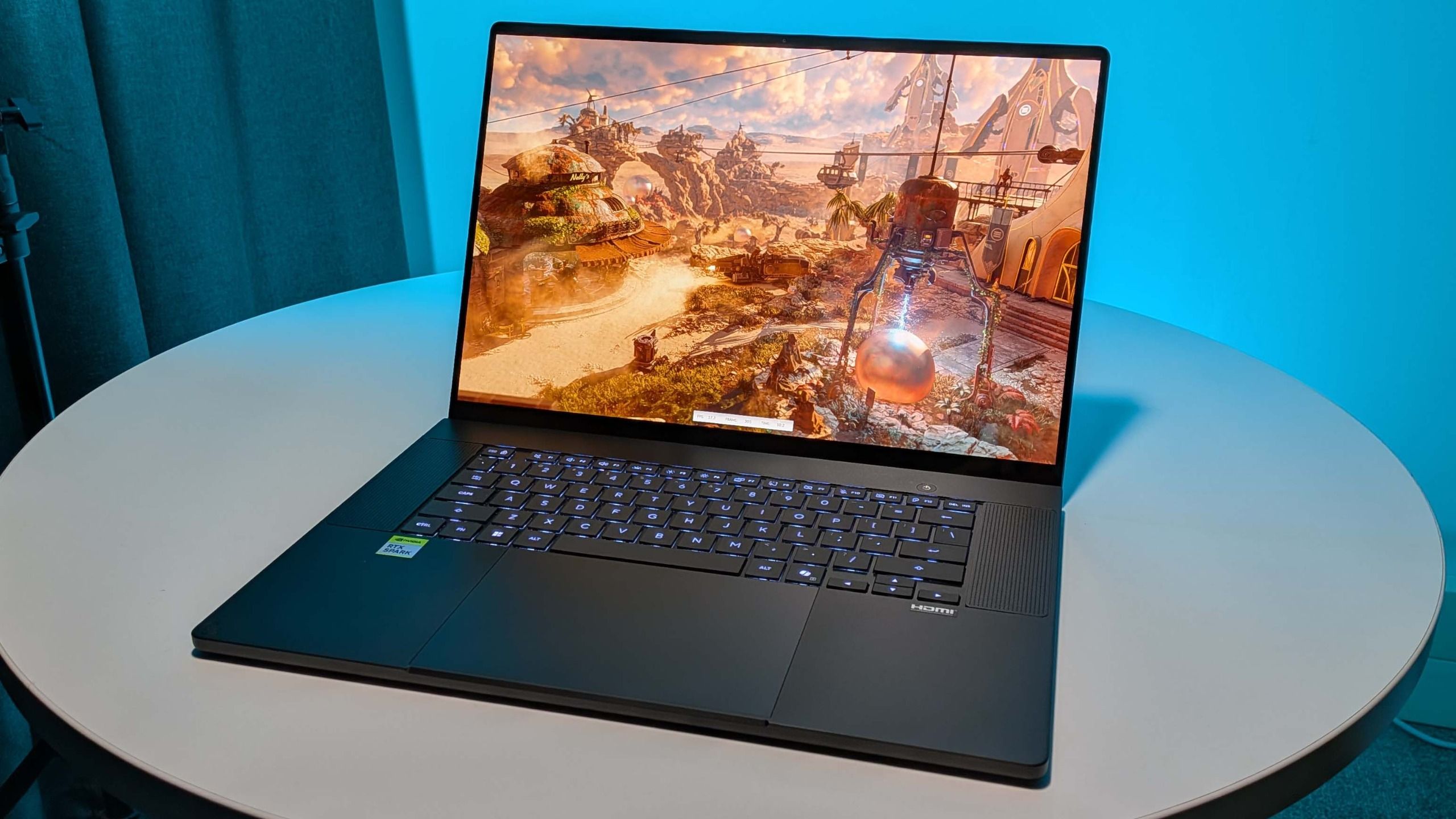
But here it is in front of me, an RTX Spark laptop that looks for all the world like the slimline MacBook-esque Razer Blade machines I’ve loved for years. But this is no Blade, this is an Asus ProArt P16 and it’s a stunner. Thinner than the Zephyrus G16 with a sleek aluminium body and a 64 GB, 20-core RTX Spark N1X chip inside it.
You may like

From the get-go I can say that this is not a platform I can really recommend to the average PC gamer
I’ve only been using it a short time, and there is so much to it and so much that is going to change over the next few months that I’m only really going to scratch the surface here. But today I’m going to go over the architecture and the gaming performance, and maybe I’ll give you a little bit about my adventures in agentic AI as a palate cleanser later on.
Yet, even having spent under a week with an RTX Spark as my daily driver, I think from the get-go I can probably say that this is not a platform I can really recommend to the average PC gamer. It’s too expensive and we’re better served by the gaming laptops already on the market. But, it is an absolutely fascinating, and genuinely impressive platform, and could be a real glimpse at the future of PCs and laptops as a whole.
Nvidia RTX Spark – architecture
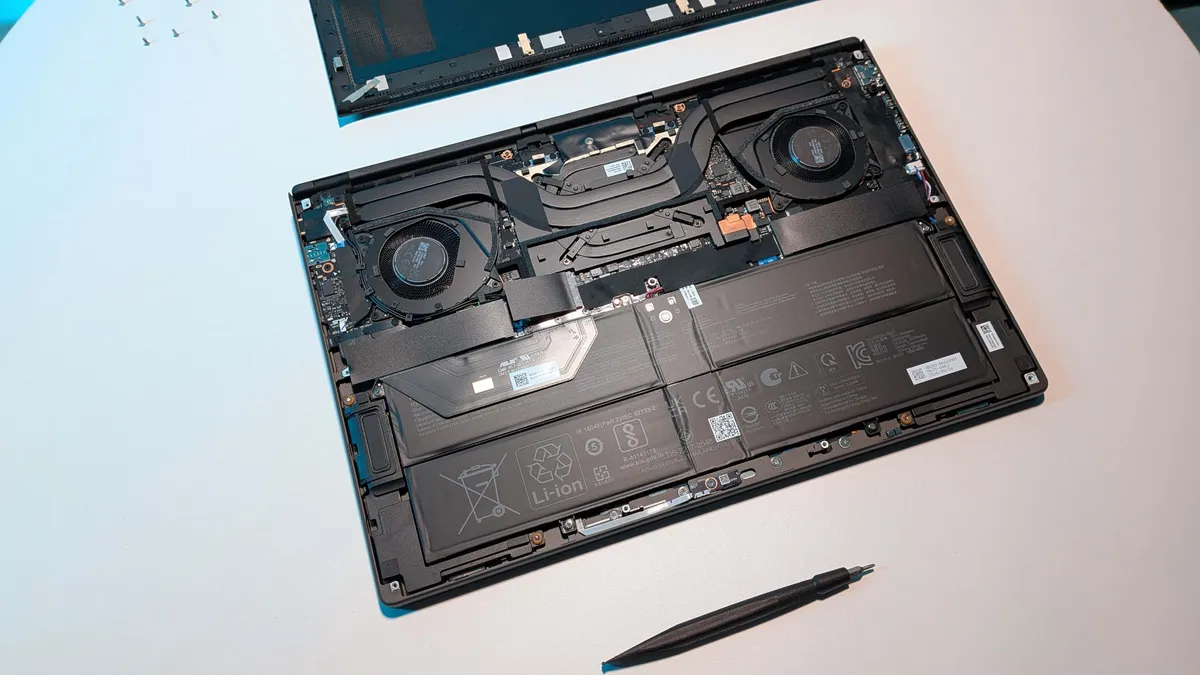
I’ve been waiting for this moment for a long time. The promise of an all-Nvidia gaming laptop has been a tantalising prospect for years now; even before the company tried to buy Arm itself there were rumours of an SoC that would combine Arm cores with Nvidia’s powerful GPU silicon.
AMD’s had its own APUs for the longest time, and Intel has been running every facet of a laptop since the dark ages. So it’s no surprise Nvidia wanted a piece of that pie.
And with Qualcomm taking the initial Windows-on-Arm hit with its Snapdragon Elite and Plus chips, letting the OS evolve around the early teething troubles, the time is now ripe for Nvidia’s platform to come to fruition.
What to read next
Actually, there is no Windows-on-Arm anymore as Microsoft is ditching the suffix and just calling it Windows, because Microsoft is all-in here, too. To be honest, I think that’s largely down to the push for local AI and the fact Linux is generally where that lives right now—including the DGX Spark, which was the first desktop home of the N1X chip that’s running the RTX Spark. But Microsoft is also helping on the gaming side, making the Prism emulation layer more robust on an Arm platform and also committing to bringing all the anti-cheat apps over that Linux currently doesn’t have.
Though Epic is working on the Linux side of that right now.
Swipe to scroll horizontally
| Row 0 – Cell 0 |
RTX Spark N1X A Nvidia apresentou o RTX Spark, um SoC baseado em Arm que mistura GPU Blackwell com núcleos de CPU Arm e memória unificada LPDDR5X. A proposta é interessante para notebooks finos e leves, mas quem pensa em comprar uma máquina só para jogar em PC deve pensar duas vezes antes de apostar nessa plataforma. 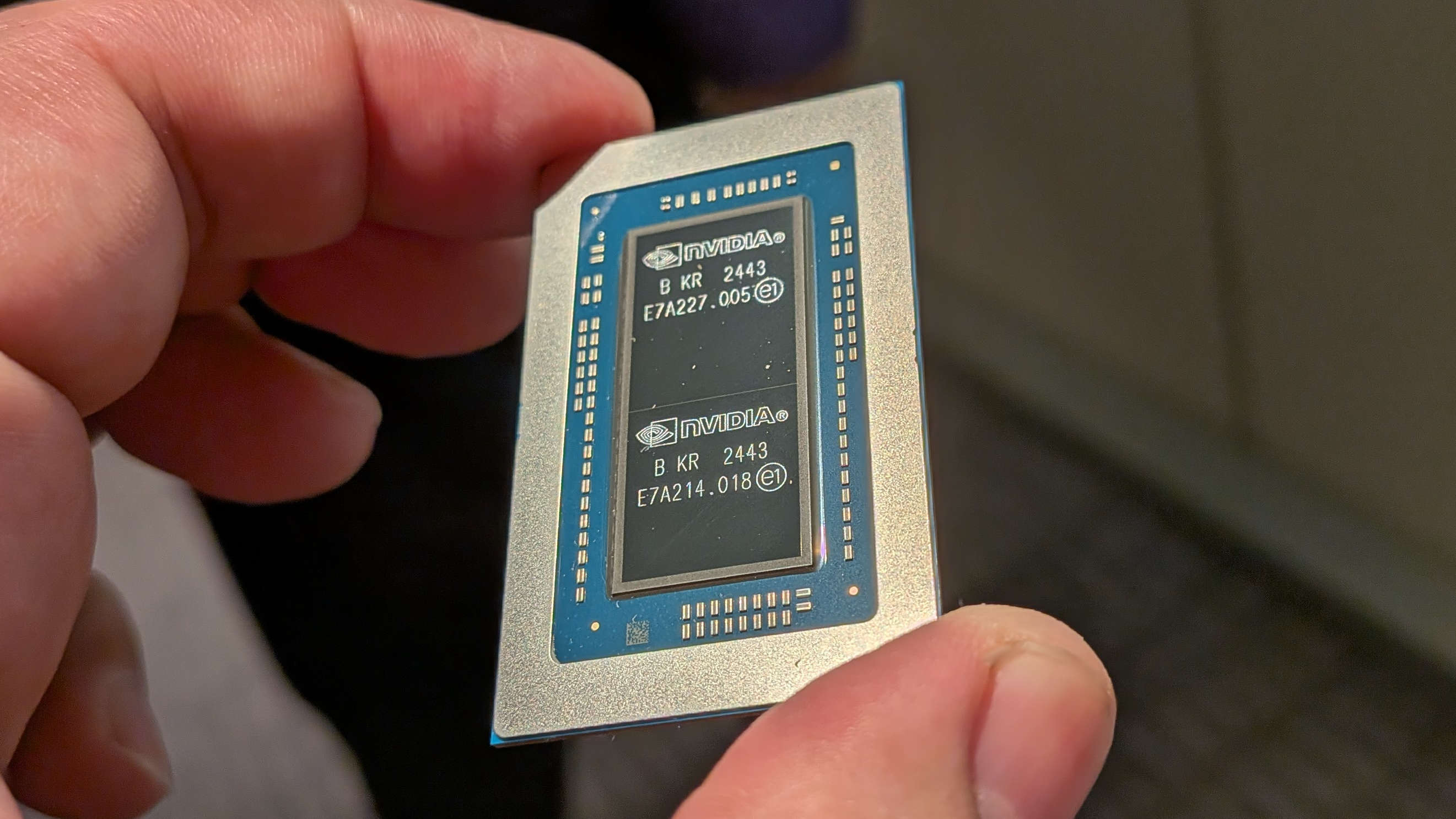 O RTX Spark vem em duas versões. A mais completa traz 6.144 núcleos CUDA distribuídos em 48 SMs, além de 20 núcleos de CPU Arm — sendo 10 Cortex-X925 de performance e 10 Cortex-A725 de eficiência. A versão reduzida fica com 5.120 núcleos CUDA em 40 SMs e 18 núcleos de CPU, com um núcleo a menos de cada tipo. Ambas usam arquitetura GPU Blackwell RTX, com RT cores de quarta geração e Tensor cores de quinta geração, processo de fabricação TSMC de 3 nm e TDP configurável entre 45 W e 80 W. A GPU tem a mesma configuração de núcleos da RTX 5070 de desktop (GB205), mas com menos cache L2 e clock mais baixo. A memória é unificada, do tipo LPDDR5X, com interface de 256 bits e até 300 GB/s de banda — bem abaixo dos 672 GB/s que uma RTX 5070 de desktop alcança em barramento de 192 bits. A Nvidia chama a CPU de Grace, com desenvolvimento em parceria com a MediaTek, mas os núcleos Arm são de linha, sem o trabalho extra de emulação que a Apple fez em seus chips para rodar cargas x86. 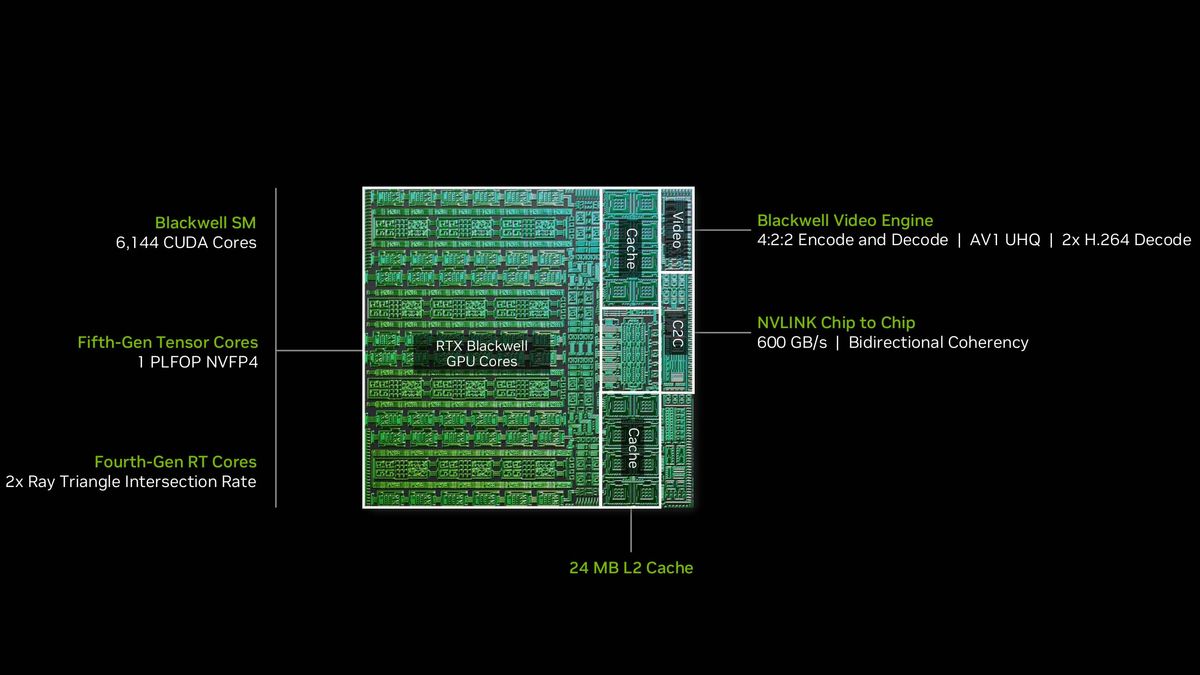 Nos testes de jogos, o desempenho fica próximo de notebooks com RTX 5070, mas com consumo bem menor. Em Metro Exodus Enhanced Edition a 1080p no Ultra, o RTX Spark em um Asus ProArt P16 fez 75 fps em média, contra 84 fps de um Razer Blade 14 com RTX 5070 a 115 W. A diferença é que o chip da Nvidia rodou a cerca de 1.906 MHz e consumiu em média 43 W, enquanto a GPU da Razer operou a 2.589 MHz e puxou 97 W. Em Baldur’s Gate 3 a 1080p no Ultra, o Spark fez 42 fps contra 65 fps do Blade 14. Em Cyberpunk 2077 com ray tracing Ultra a 1080p, foram 36 fps contra 45 fps. Com resolução nativa e upscaling de qualidade mais frame generation 2x, o Spark chegou a 54 fps, contra 62 fps da Razer. 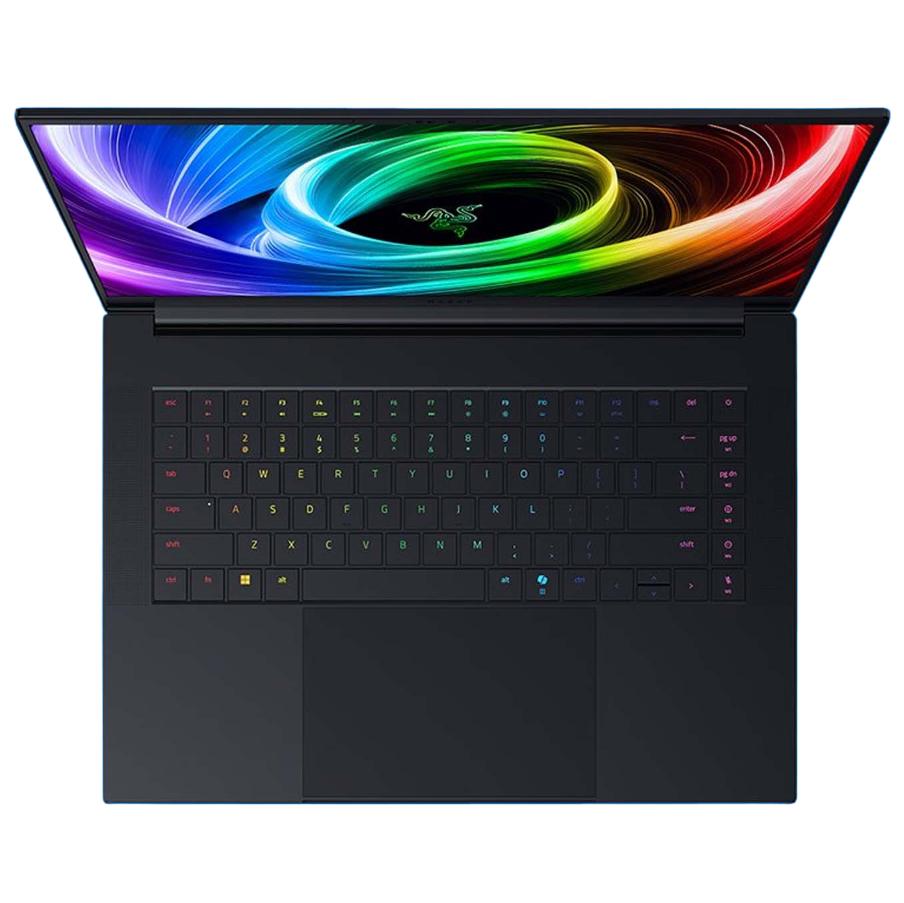 O ponto positivo é a eficiência: mesmo fora da tomada, o desempenho se mantém praticamente igual, com variação de poucos fps. Em temperaturas, o ProArt P16 com RTX Spark registrou média de 75 °C na CPU e 67 °C na GPU, contra 79 °C e 78 °C no Razer Blade 14. O consumo menor também significa menos calor e possibilidade de notebooks mais finos. Visão Gamer: para quem joga, o RTX Spark mostra que dá para ter desempenho próximo de uma RTX 5070 de notebook consumindo menos da metade da energia, o que pode render máquinas mais silenciosas e com melhor bateria. Só que, em jogos mais pesados, a diferença de fps ainda aparece — e a plataforma Arm não tem o mesmo histórico de compatibilidade com títulos x86 que o PC tradicional. Por enquanto, é uma opção para quem quer um notebook versátil, não necessariamente a melhor escolha para quem só quer jogar. Leia mais aqui em inglês: https://www.pcgamer.com/hardware/gaming-laptops/nvidias-rtx-spark-makes-for-an-impressive-arm-based-gaming-laptop-but-not-one-id-recommend-you-buy-just-for-pc-gaming/. Fonte: PC Gamer. PCGamer latest. 2026-10-15 13:35:00 |
RenatoAlmeida.
2026-10-16 07:21:00